Development You Can Measure
Six tools. One purpose: turn "trust me" into "here's the data." Used properly in every session, not a shelf of logos, but the actual instruments behind your athlete's progress shared with you.
-
![]()
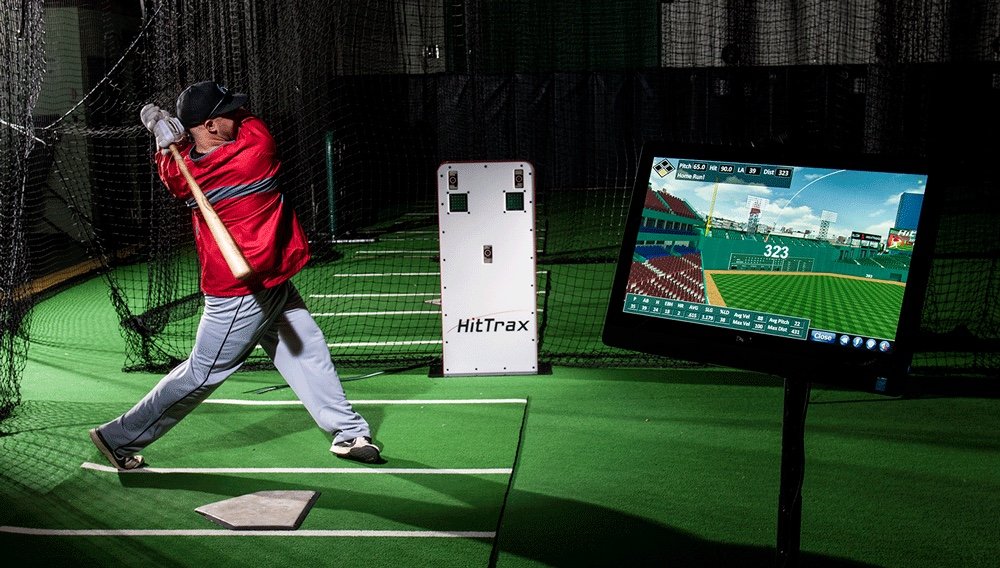
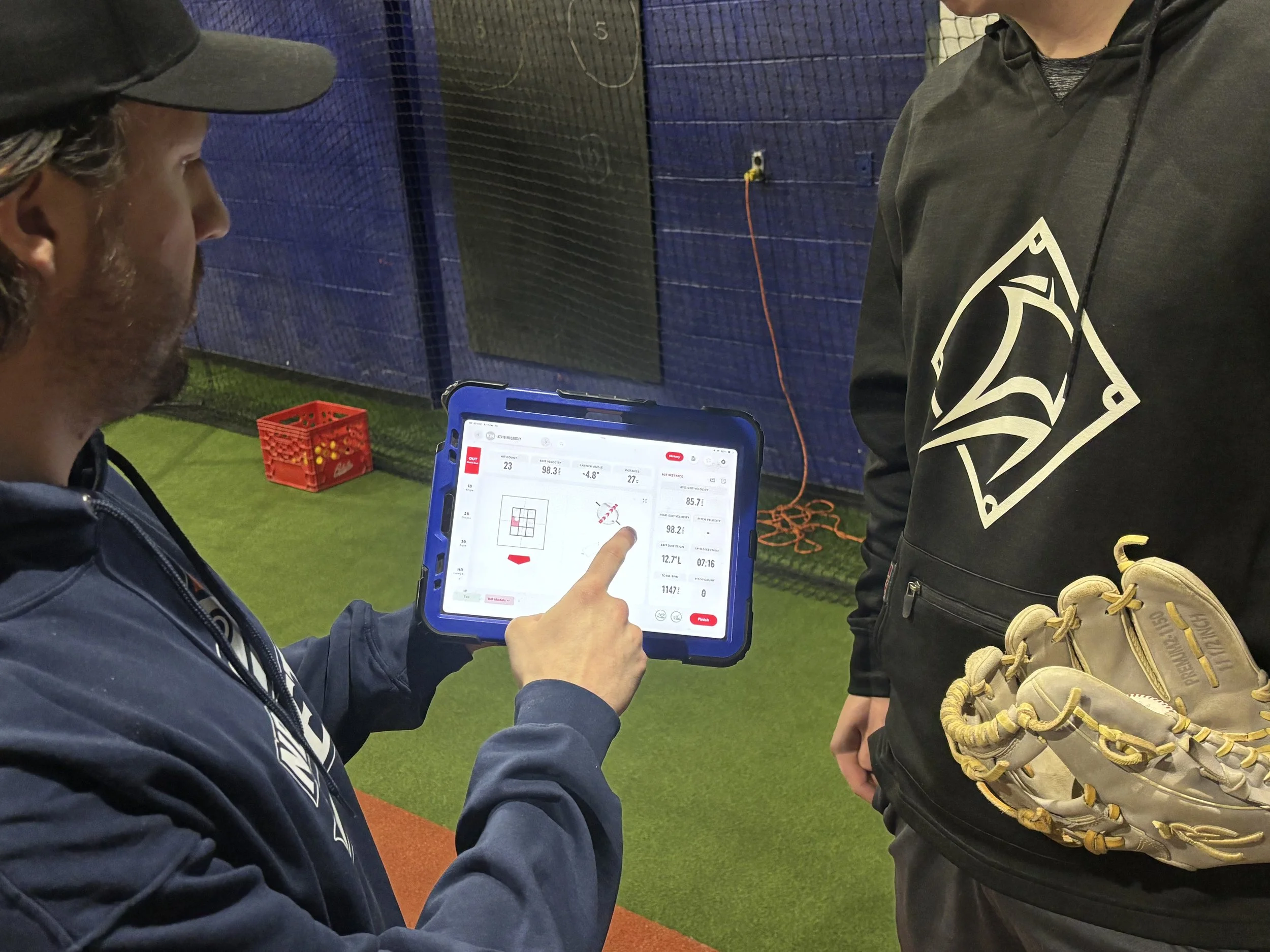
HitTrax
Measures: exit velocity, launch angle, distance, spray charts, and full batted-ball data — every swing, logged.
Why it matters: HitTrax turns a swing into numbers you can actually chase. Instead of "hit it harder," an athlete sees exit velo climb session over session — the same metric college recruiters ask about first. It's how our hitters’ average +7.2 mph exit velocity gain gets measured, not estimated.
-
![]()
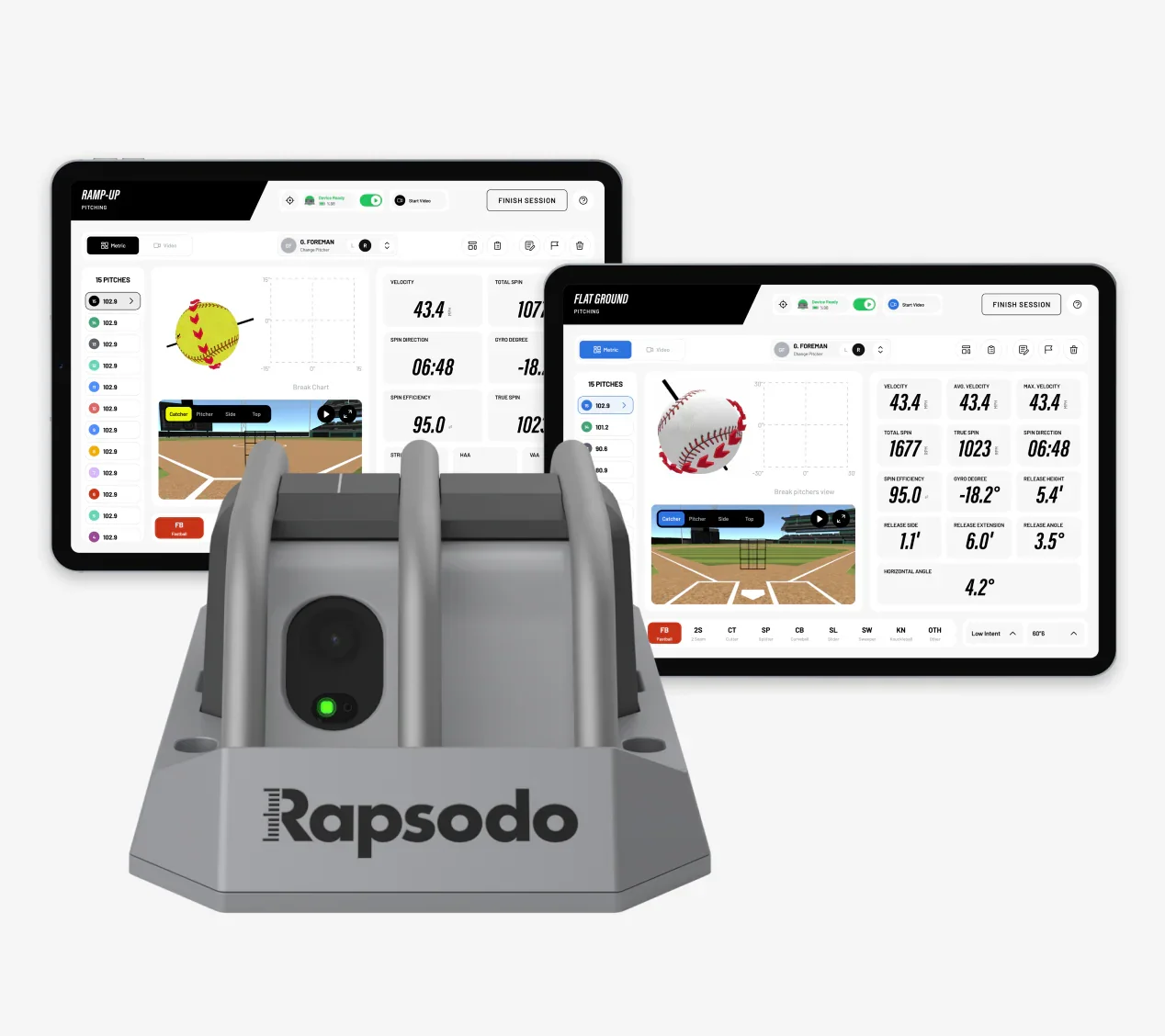
Rapsodo
Measures: pitch velocity, spin rate, spin axis, and movement profile — plus exit velo and launch angle on the hitting side.
Why it matters: Spin rate and movement are what separate a fastball that gets hit from one that gets missed. Rapsodo makes the invisible visible, so pitchers can develop a pitch shape on purpose instead of by accident.
-
![]()
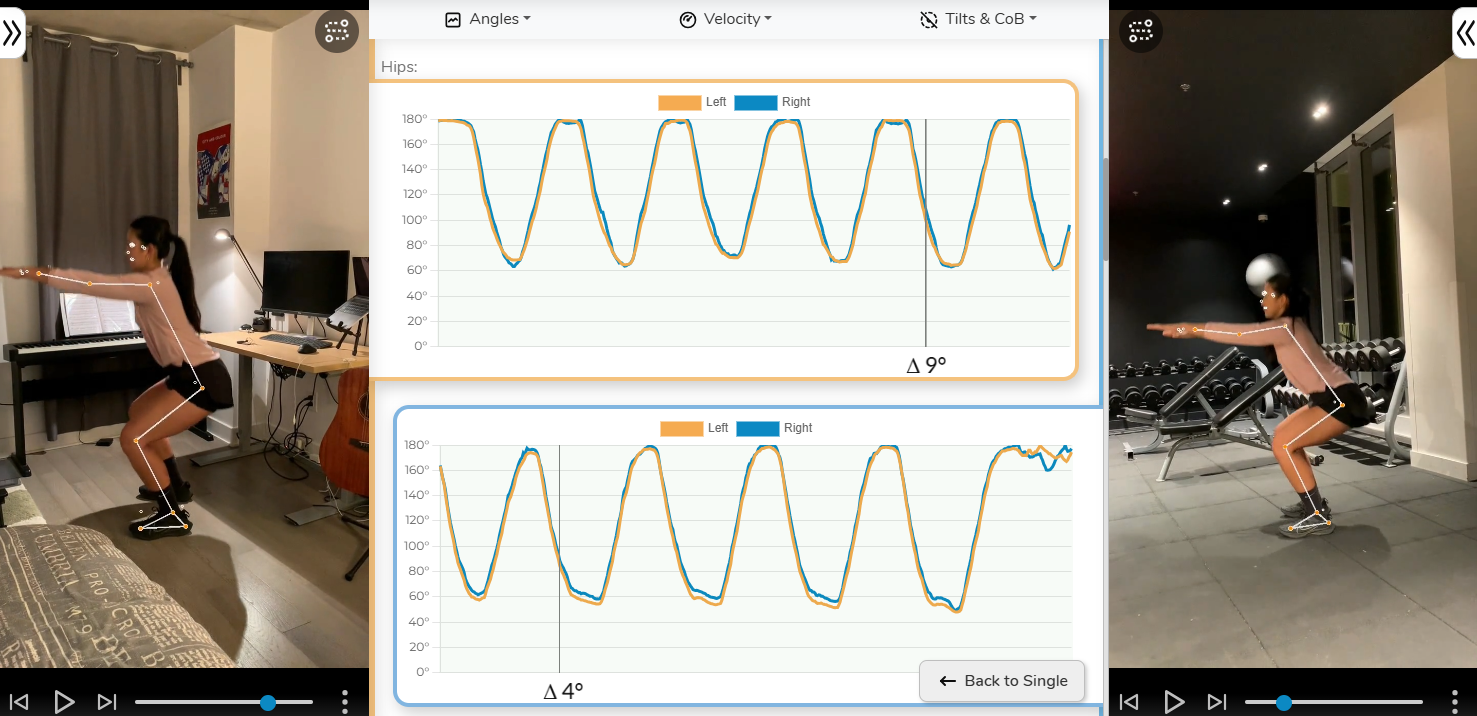
Parados Biomechanics
Measures: posture, movement, and biomechanics captured by camera and AI, delivering objective results in seconds.
Why it matters: Velocity and power come from the whole body, not just the arm. Parados shows where movement breaks down in the chain — the difference between chasing symptoms and fixing the actual cause, and a key part of developing safely.
-
![]()
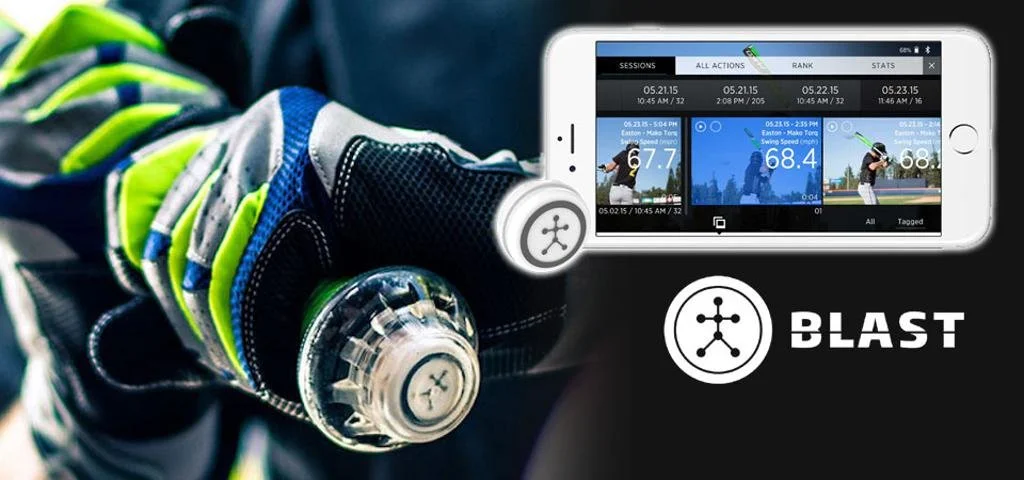
Blast Motion
Measures: bat speed, attack angle, rotational metrics, and time to contact.
Why it matters: Blast catches what the eye can't — the small mechanical shifts that add up to real gains. It's how a coaching cue becomes a measurable change instead of a hopeful one.
-
![]()
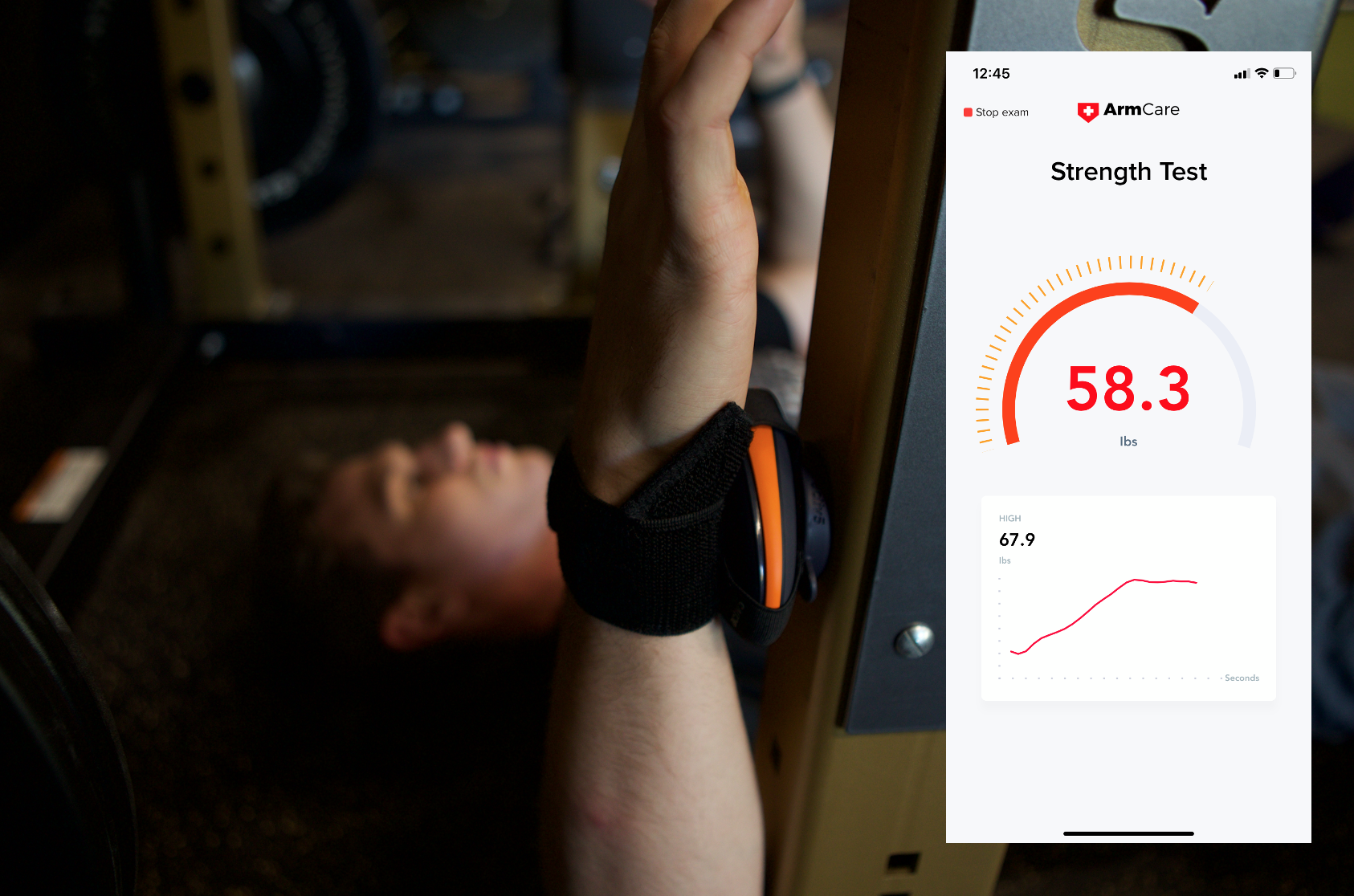
ArmCare
Measures: arm strength and range of motion, benchmarked over time.
Why it matters: Most arm injuries give warning signs before they happen. ArmCare turns arm health from a guess into a number, so we know when an athlete is ready to add load and when they need to back off. Velocity gets built without building risk.
-
![]()
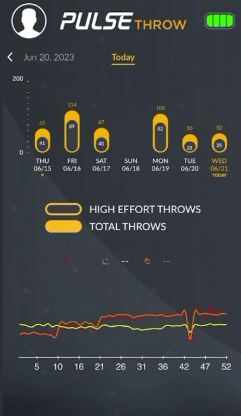
Pulse
Measures: throwing volume and arm workload, tracked on every throw.
Why it matters: More throwing isn't always more development. Overload is how arms break down. Pulse keeps each athlete's workload in the safe, productive range, so they can train hard without crossing the line.